• Miami16:47
  • ·Athens23:47
CASE FILES · REDACTED

A shorter selection of the mandates that don't fit on any coverage page.

Every file is anonymised. Every outcome is real. Nothing has been embellished for effect.

The case study on each coverage page describes a specific moment in that vertical. This page is different. It's a rotating selection of placements that either sit across verticals, involved an unusual market, or answered a question the industry hadn't been asked before. We publish them because the pattern matters more than the specifics.

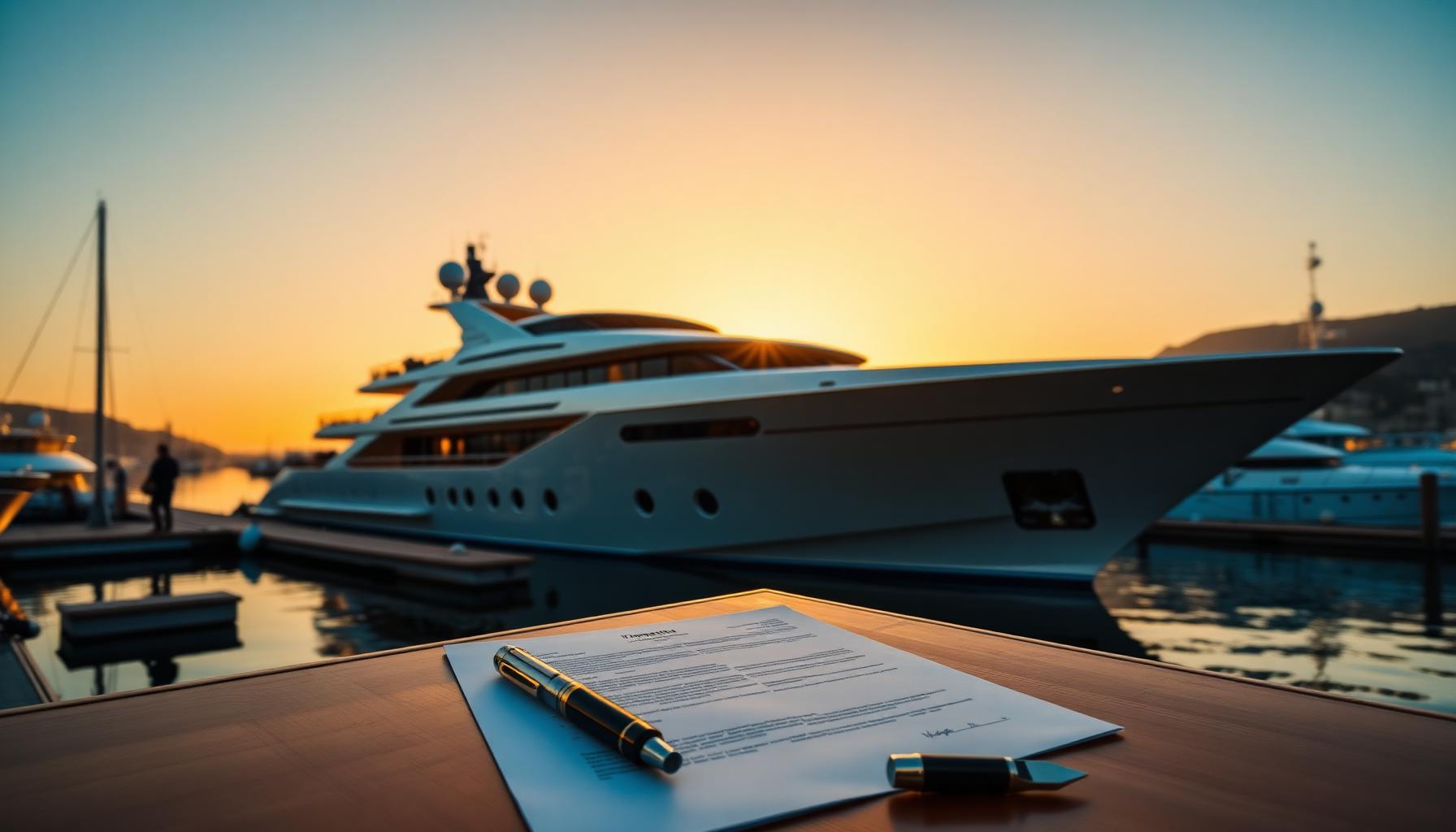
Superyacht at golden hour with a signed contract and fountain pen on a mahogany dock table.
THE 96-HOUR PLACEMENT

A $180M yacht purchase that closed on time.

A buyer had a fully negotiated purchase agreement on a Northern Med superyacht and a hard deadline of the following Friday. Standard hull and P&I placement timelines would have pushed inception past the closing. We placed the programme — hull, P&I, war risk, crew — in four working days by running discovery, structuring, and market approach in parallel across three time zones.

The purchase closed on schedule. Six-month renewal followed on the same terms.
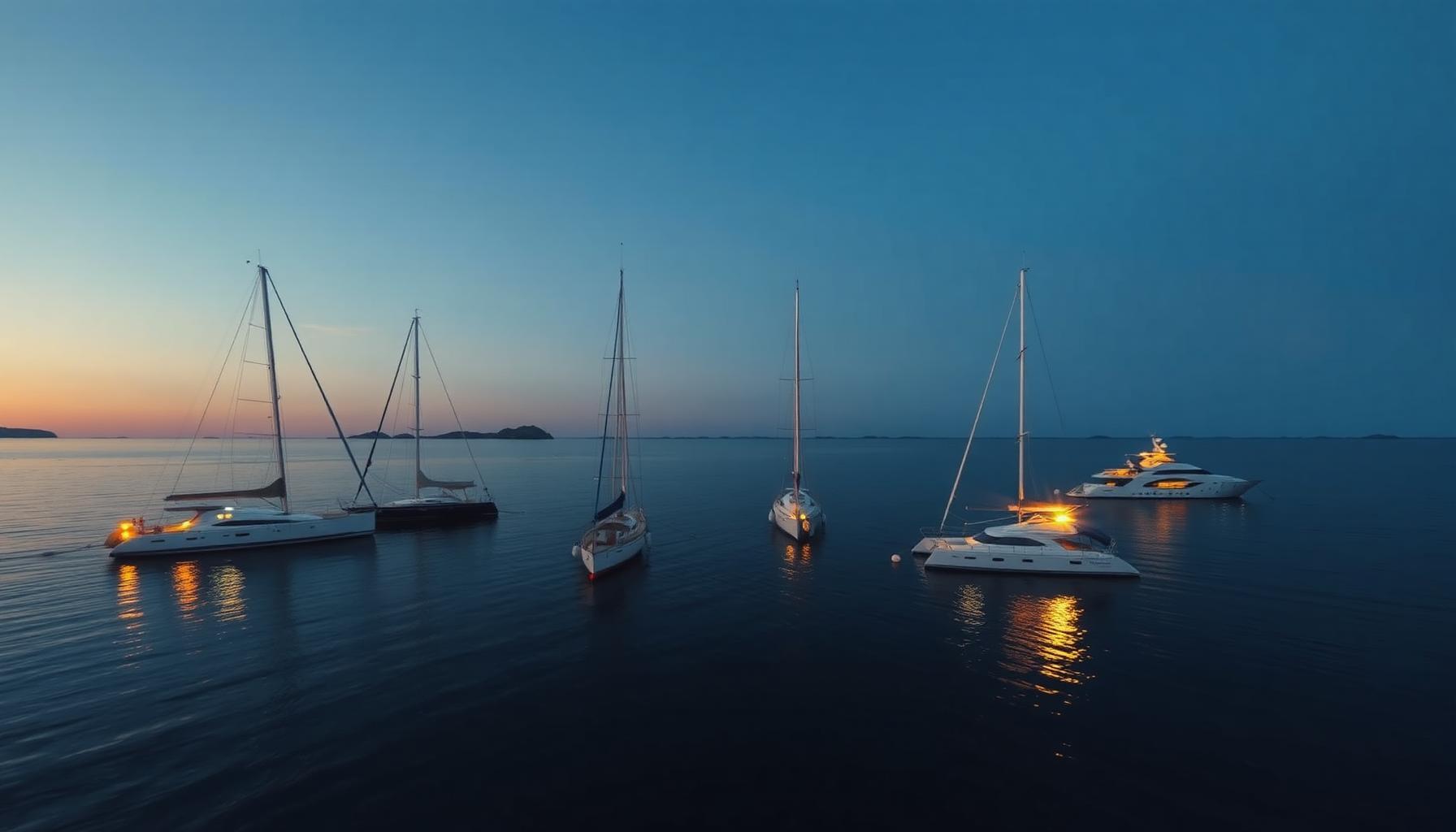
A small charter fleet moored in a horseshoe pattern at twilight with warm anchor lights.
THE RENEWAL WE ADVISED AGAINST

We told a charter fleet not to move their programme.

A charter operator approached us mid-cycle to re-broker their fleet placement. After three days of discovery we told them the existing programme was correctly priced for their actual exposure and the market they were in. Moving it would have cost them coverage breadth for a modest premium saving that wouldn't survive a hard-market cycle. We advised them to stay put and to call us again if their fleet composition changed.

They came back three years later — different mandate, same relationship.

A modern superyacht bridge at night with navigation screens glowing in soft sky-blue.
THE WORDING NOBODY HAD DRAFTED YET

First-of-market cyber wording for a specific operational-technology exposure.

A yacht owner with a technology industry background wanted actual affirmative cover for bridge-system compromise — not the residual carve-back most hull policies offered at the time. We drafted the wording with the underwriter over six weeks, ran it past the client's own general counsel, and placed it. Two other clients subsequently adopted the same wording as a template.

The wording is now standard on our superyacht placements above a certain complexity threshold.

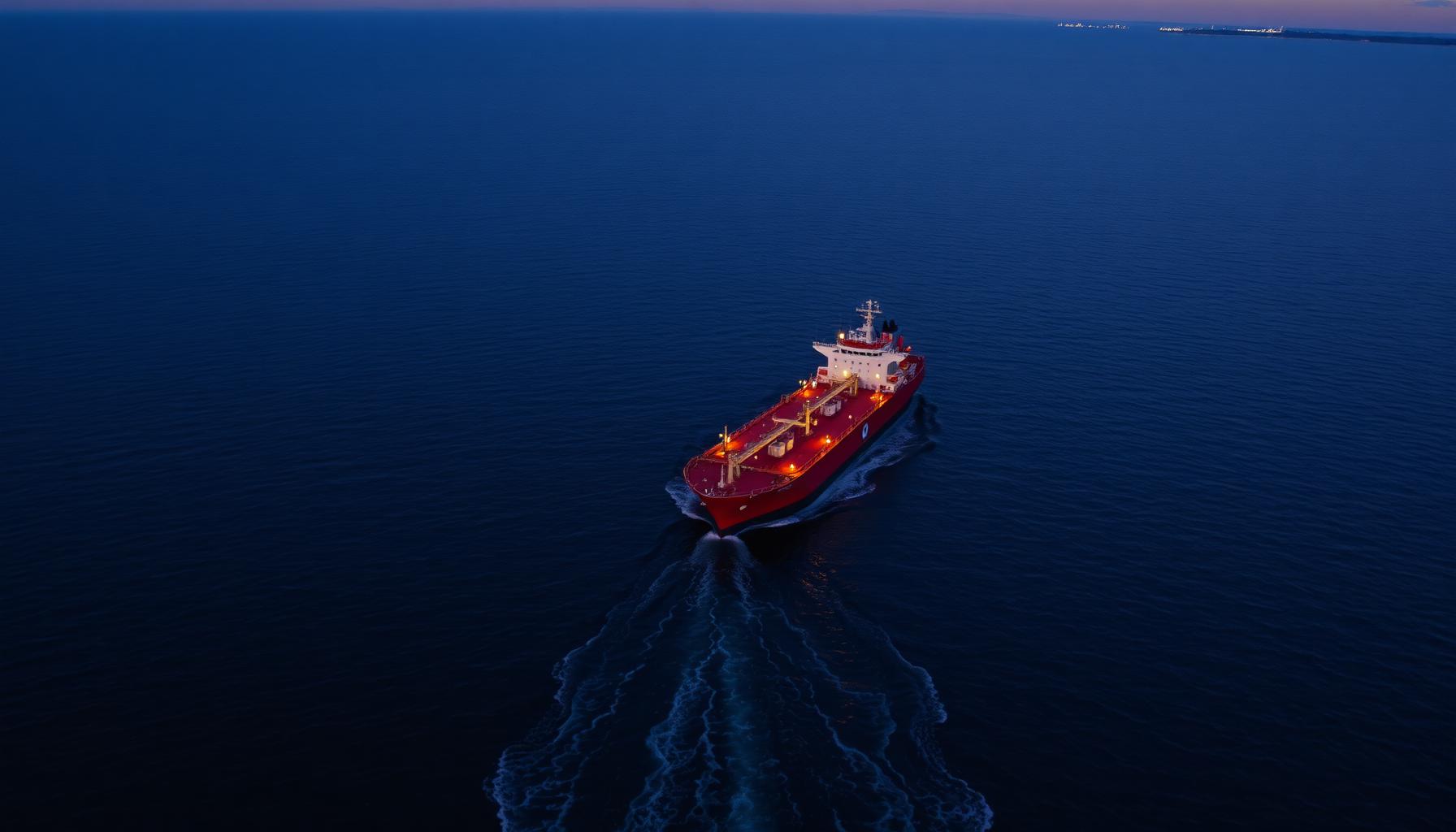
Aerial view of a red-hulled product tanker underway at dusk in open ocean.
THE REPLACEMENT COVER PLACED BEFORE THE VESSEL CLEARED THE STRAIT

War-risk cover pulled with 48 hours' notice. Replacement bound in 22.

A product tanker on transit to the Gulf lost its primary war cover to a market withdrawal after route re-classification. The vessel was already south of Suez. Our client's operations director called us at 09:15 Miami time. Replacement cover was bound with an alternative war-risk market by 07:00 the following morning. The vessel cleared Bab-el-Mandeb on schedule.

The client moved every subsequent transit war placement to SRMG.

Overhead close-up of legal documents and a yacht charter agreement on a walnut desk with fountain pen.
THE STRUCTURE WE TALKED THEM OUT OF

A charter arrangement that would have voided coverage.

A yacht owner considering a hybrid charter/personal-use arrangement asked us to bind hull and P&I on the proposed structure. On review, the arrangement would have triggered exclusions in every major market's charter wording. We proposed an alternative ownership and use structure — worked through with the client's tax and legal advisors — that preserved cover without changing the economics.

The arrangement has since been used by two other clients we made the introduction for.

An offshore floating production vessel silhouetted against a dramatic sunset sky in remote ocean waters.
THE MARKET THAT NOBODY ELSE APPROACHED

An offshore energy asset placed with a specialist market most brokers don't work with.

An operator with an unusual asset class — floating production, non-standard jurisdiction, complicated construction warranty overlay — had been quoted premiums fifty percent above what we thought the risk warranted. We approached a Bermuda specialist and a Singaporean carrier we work with regularly on similar risks. The final placement came in at the expected level, with broader wording than the original quotations.

The programme has since renewed twice on improving terms.