
• Miami20:23
  • ·Athens03:23
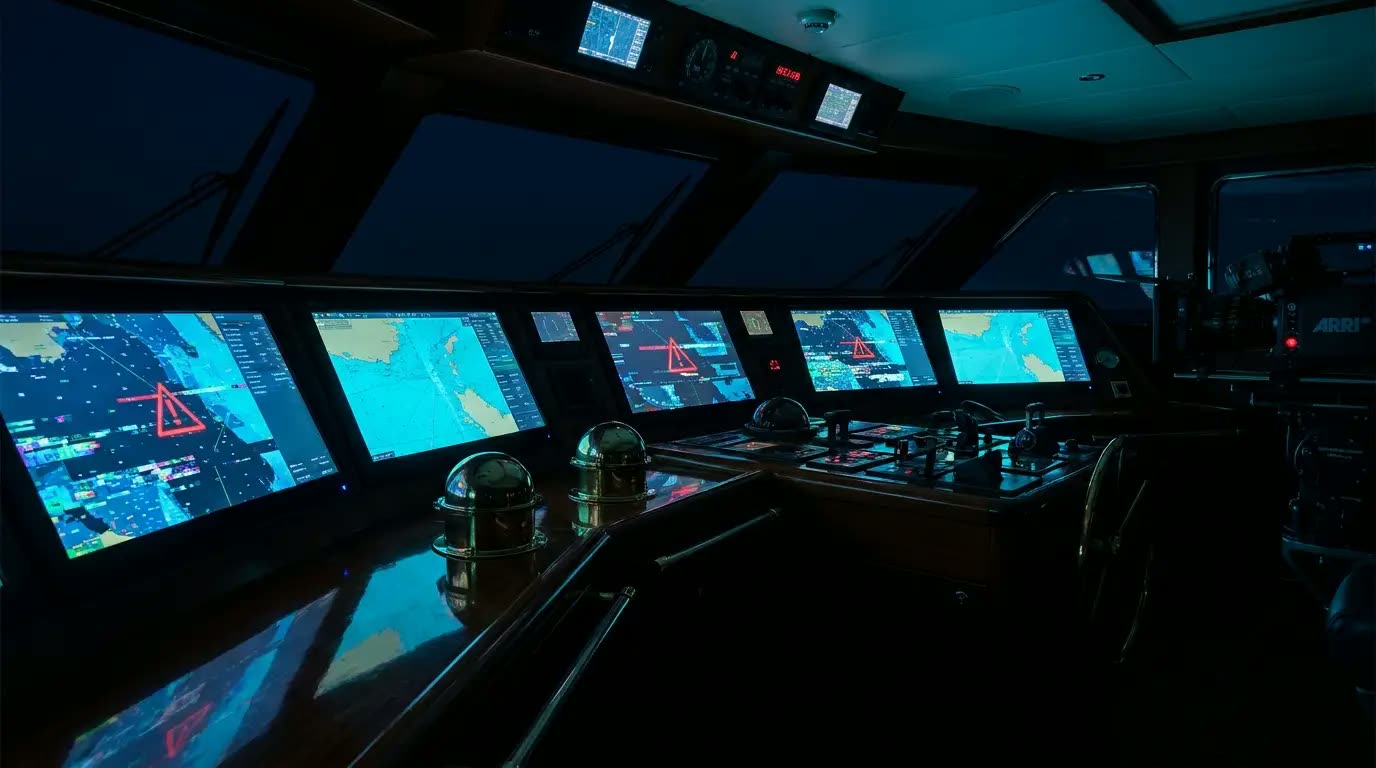
Superyacht bridge at night with glowing navigation screens
SRMG

Cyber Risk

Your bridge is a computer. Your cover should know that.

Every modern vessel is a computer with a hull attached. Every port is a distributed IT operation with cranes. Every yacht owner is a data subject with charter contracts, financial records, and private communications sitting on systems designed for convenience — not resilience. Standard marine policies contain a war and cyber exclusion — CL380 or similar — that walks the carrier away from most digital-cause incidents before you've finished reading the wording. Cyber risk is where hull, P&I, and cargo cover stops. It's also where the actual exposure now sits.

$0M+
In cyber cover placed
0-hour
Crisis response mobilisation
0
Named cyber events responded to since 2022

Marine cyber insurance provides affirmative cover for losses from cyber events affecting vessels and maritime operations — including bridge-system compromise, ECDIS and GPS spoofing, ransomware, and port or terminal OT outages — exposures that standard hull and P&I policies commonly exclude under cyber exclusion clauses.

THE ATTACK SURFACES

Every system that touches the water is now a target.

Cyber underwriters classify maritime attack surfaces into four categories that overlap operationally but require distinct wording. Structure the programme without recognising the differences, and the CL380 exclusion in your standard hull policy stays fully in force at the wrong moment.

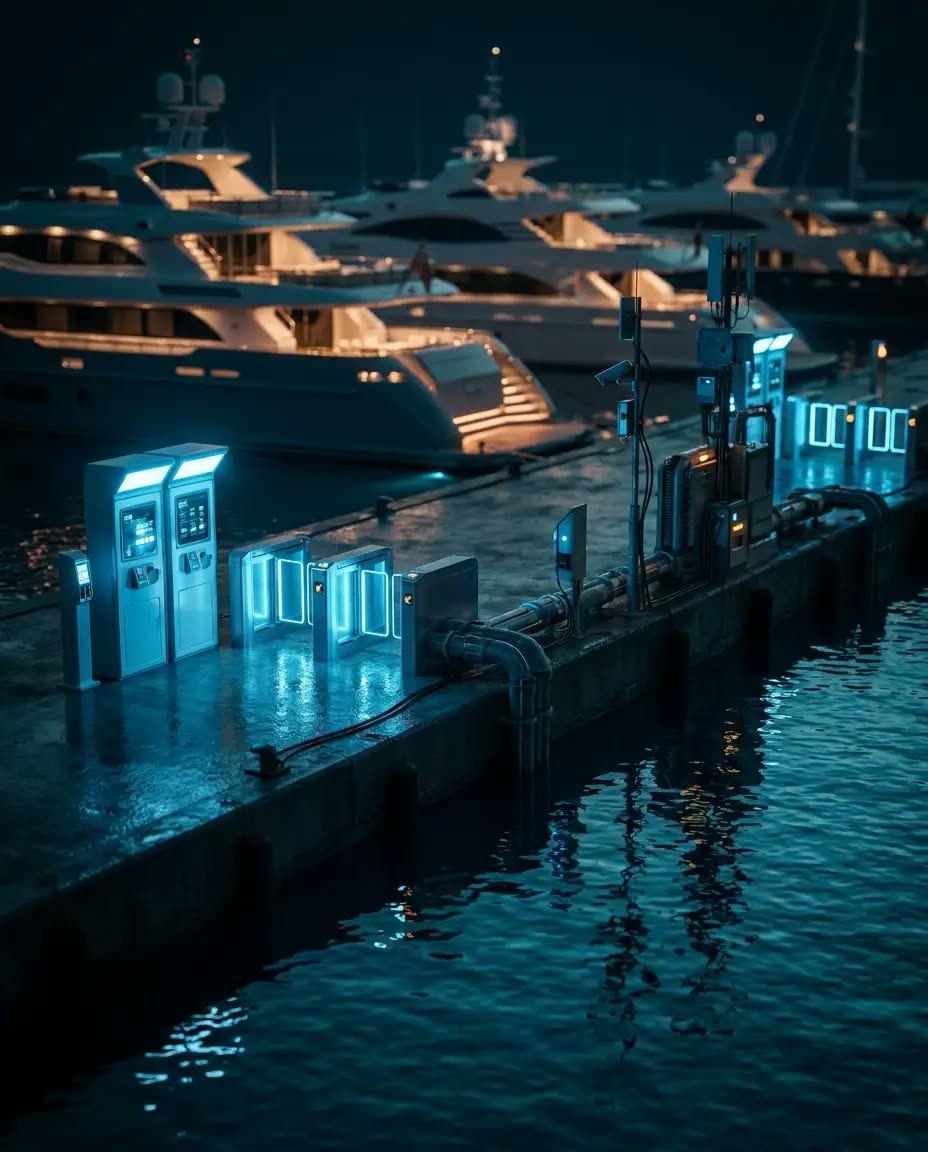
Smart marina infrastructure at night with illuminated control systems
01

ECDIS, AIS & Integrated Bridge Systems

Navigation systems compromised, position falsified, bridge displays locked. GPS spoofing incidents on commercial routes have already forced groundings, near-collisions, and delayed voyages. Affirmative cover for bridge-system attacks and business interruption from disabled navigation — the exposure most standard hull wordings exclude before you've noticed.

Reference event: 2017 Black Sea GPS spoofing that gave 20 vessels false positions simultaneously. Our affirmative cover addresses attacks against navigation IT — no CL380 exclusion argument at claim.

02

Marina & Port Operational Technology

Smart dock systems, access control gates, fuel management platforms, payment terminals. When these OT systems fail — deliberately or via collateral malware — commercial throughput stops immediately. Cover structured against actual OT architectures, not adapted from IT cyber wordings that don't understand industrial systems.

Reference event: NotPetya took Maersk terminals offline for weeks in 2017. Our port OT programmes carry dedicated ICS attack cover with pre-agreed system-restoration vendors.

03

Data Breach & Privacy Exposure

Charter guest records leaked. Owner financial data breached. Vessel performance analytics stolen. GDPR fines running into the millions, reputational damage running longer. Cover with pre-funded crisis response teams, forensics, regulatory notification support, and third-party liability defence.

Recent claim: charter management system breach exposed 12 months of guest booking data across 3 flag jurisdictions. GDPR notification, defence cover, and reputational management coordinated inside 48 hours.

04

Business Interruption & Ransomware

When your fleet management platform is encrypted, revenue stops. When your terminal management system is offline, throughput stops. When your charter booking platform is ransomed, the season stops. BI cover structured against actual downtime — not against a token per-diem the carrier can dispute.

Recent claim: charter management platform encrypted by ransomware 6 weeks before Med season. BI cover paid revenue displacement across the entire season, plus restoration and negotiation-through-counsel handling.

THE FRAMEWORK

Compliance built in. Response pre-positioned.

Cyber cover only works if it's paired with the compliance evidence regulators demand and the response network that can actually move when the breach hits. Both are structured at placement — not scrambled at incident.

Data centre server room with security breach warning
01

Regulatory Frameworks

IMO 2021 cyber risk management. GDPR data protocols. Local maritime security directives across major flag states and port jurisdictions. Programmes structured so your cover doesn't just respond to an incident — it demonstrates the compliance posture that regulators want to see before, during, and after.

02

Response Vendor Network

Pre-approved cyber forensics teams with maritime experience. Digital evidence preservation compliant with insurer requirements. System restoration partners familiar with OT and ICS environments. Legal counsel across data protection regimes. Every vendor pre-agreed at placement — no scramble at breach time.

THE ARCHITECTURE

Cyber cover that speaks to the wordings your standard programme excludes.

Most maritime clients hold hull and P&I with CL380 or similar cyber exclusions that quietly walk the carrier away from anything with a digital cause. Ours are structured to close that gap — through affirmative cyber buy-backs, standalone cyber policies, and integrated response frameworks that treat cyber as a live exposure, not a footnote in the wording.

01

Affirmative Cyber Buy-Backs

Endorsements that explicitly restore cover for cyber-causation losses your primary marine policy excludes. Placed with insurers who understand how a CL380 exclusion reads in a claims environment.

Wording drafted against the specific CL380 or CL381 language in your primary programme — no assumption cover, no coverage gap between the buy-back and the exclusion it responds to.

02

Standalone Cyber Programmes

Dedicated cyber policies for fleet operators, port authorities, marina groups, and family offices. Sized to your operation — not scaled from a generic commercial cyber template.

Structured against your specific asset class: navigation IT, OT infrastructure, charter management platforms, data hosting. Not one-size-fits-fleet coverage.

03

Business Interruption Structuring

Cover indexed against your actual revenue exposure to system downtime — freight throughput, charter income, port dwell revenue, marina slip billing. Not annualised averages, not per-diems designed for IT service outages.

BI attaches from day one of operational downtime. Structured against your revenue calendar, not a nominal daily rate that leaves you 80% short at claim time.

04

Crisis Response Networks

Pre-agreed forensics teams, restoration vendors, regulatory counsel, and communications support — active before breach detection, retained before the season, standing by for your specific asset class.

Recent activation: charter management ransomware event. Forensics engaged inside 4 hours, negotiation counsel retained inside 8, restoration underway inside 24, GDPR notifications filed inside 72.

THE DIFFERENCE

Standard hull + P&I versus a cyber programme that actually reads against the exclusion.

Standard hull + P&I programme with CL380

  • Cyber-caused losses excluded at claim
  • No OT-specific cover for port/marina systems
  • Data breach exposure entirely uninsured
  • BI written against generic downtime periods
  • Response vendors identified after breach

SRMG cyber programme

  • Affirmative cover drafted against your CL380 wording
  • OT and ICS cover for industrial systems
  • GDPR-compliant data breach cover with defence
  • BI indexed against your actual revenue calendar
  • Pre-agreed maritime-specialist response vendors
CASE STUDY
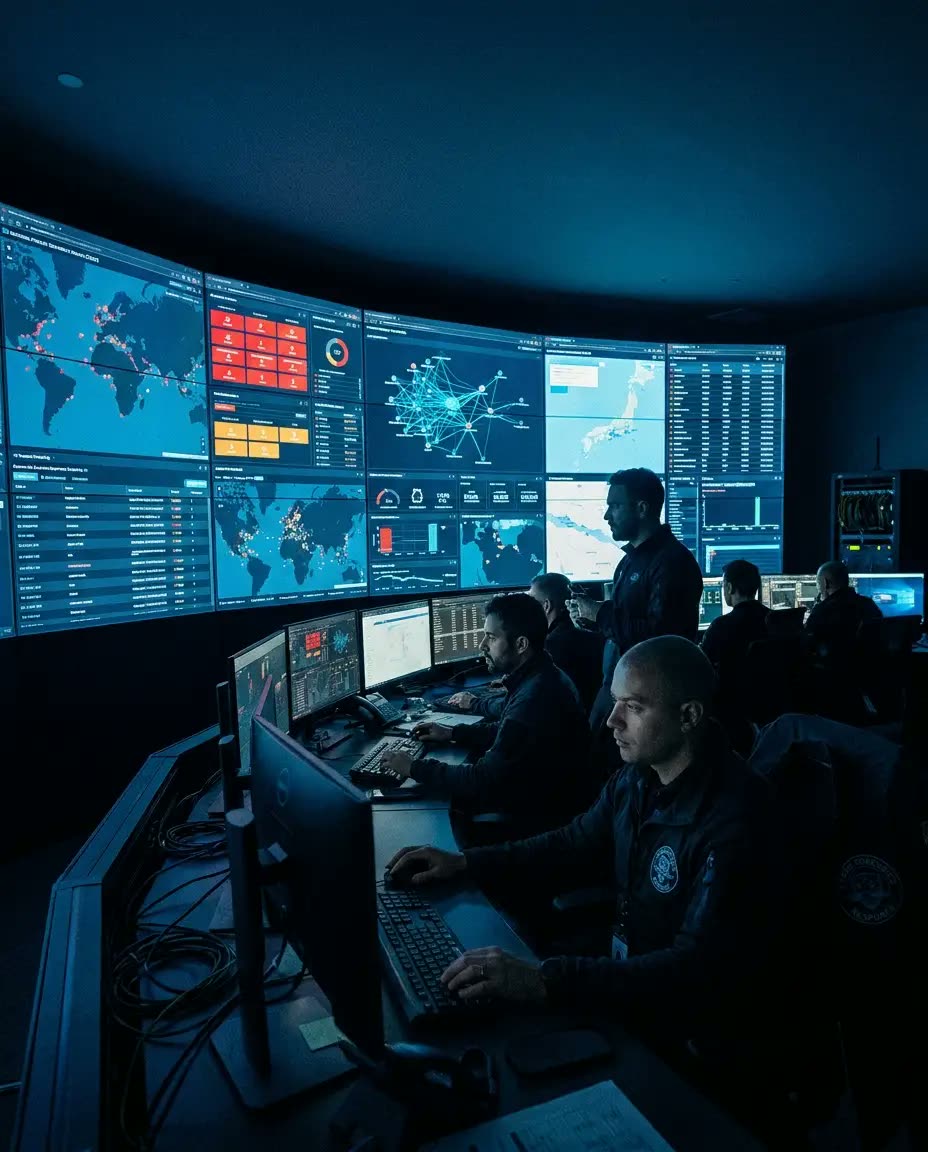
Cyber security operations centre with analysts at threat monitoring displays

Ransomware on a charter platform. Six weeks before season. Full recovery.

When a European charter management platform was encrypted by ransomware six weeks before the Mediterranean season, the client faced a business-ending scenario: a booking system holding 18 months of guest data, three months of confirmed reservations, and the primary revenue channel for a fleet of 22 vessels. Under a standard commercial cyber policy, negotiation-through-counsel would have taken days to authorise. Forensics engagement would have taken weeks. Season revenue would have been lost.

Our pre-agreed response protocol activated within 4 hours of breach detection. Forensics were on the system inside 8. Negotiation counsel was retained inside 12. System restoration completed inside 9 working days. GDPR notifications filed with the three relevant supervisory authorities inside 72 hours.

  • Response mobilised inside 4 hours — no delays for vendor procurement
  • Full system restoration inside 9 working days
  • GDPR notifications filed in all three jurisdictions inside 72 hours
  • Business interruption cover paid revenue displacement across the season

Result: All 22 charter vessels sailed the Mediterranean season on schedule. Zero guest data loss. Zero regulatory penalties.

EUROPEAN CHARTER MANAGEMENT GROUP · 22-VESSEL FLEET · MAY 2024
The CL380 buy-back wording reads correctly against the exclusion in our primary hull cover. I mean literally — the language lines up. Most brokers will tell you affirmative cyber closes the gap. Very few of them can point to the specific paragraph. SRMG can.
CHIEF INFORMATION SECURITY OFFICER · INTERNATIONAL CHARTER GROUP · 🇬🇷
WHY SRMG

Why maritime cyber buyers choose SRMG

  • Cyber underwriting specialists with maritime sector expertise — placement through Lloyd's cyber syndicates and specialty carriers who write OT cover as their day job
  • Affirmative cyber structured against your actual CL380 exclusion language — no assumption cover, no hope-and-pray wording
  • IMO 2021, GDPR, and flag-state compliance evidenced at placement
  • 24-hour crisis response mobilisation with maritime-specialist vendors
  • Independent since 1990. Every renewal, we go back to market. Every time.

Read your CL380 exclusion. Then call us.

Complimentary cyber exposure review — CL380 wording audit, affirmative cover gap analysis, response network briefing. Board-ready deliverables. No obligation.

Frequently asked

Maritime cyber insurance questions

Generally no. Standard hull, P&I, and cargo wordings commonly include cyber exclusion clauses such as LMA 5403 or CL380, which exclude loss caused by the malicious use of computer systems. Affirmative cover requires a dedicated marine cyber policy or a specific write-back endorsement.

Last reviewed: July 2026