• Miami10:09
  • ·Athens17:09
SRMG

Cargo & Transit

Insurance for cargo that never stops moving.

Global cargo passes through more hands than most owners realise — freight forwarders, port operators, transloaders, customs brokers, truckers, warehouse operators, ocean carriers, and half a dozen jurisdictions in between. Each hand-off is a potential coverage gap. Each border is a compliance question. One missed document can turn a $2M container into a demurrage bill and a broken contract. We structure cargo cover that closes every gap in the chain — not just the ones the bill of lading admits to.

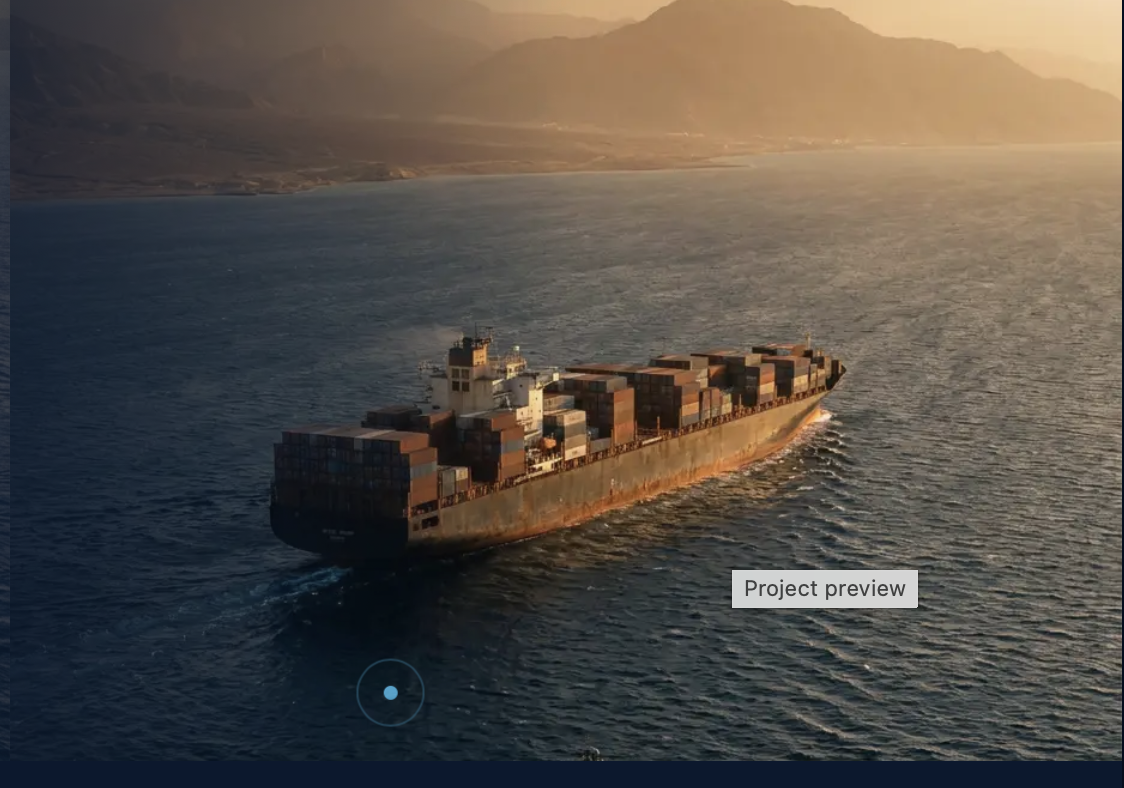
Marine cargo insurance covers goods in transit by sea, air, and land against physical loss or damage, from warehouse to warehouse. Programmes for project cargo and energy logistics address heavy-lift operations, delay in start-up exposure, and multi-modal transits across jurisdictions.

$0.0B+
In cargo insured
0+
Ports covered globally
<0 hrs
Claims response
THE COVERAGE

Every link in the chain, insured.

01

Project Cargo & Heavy Lift

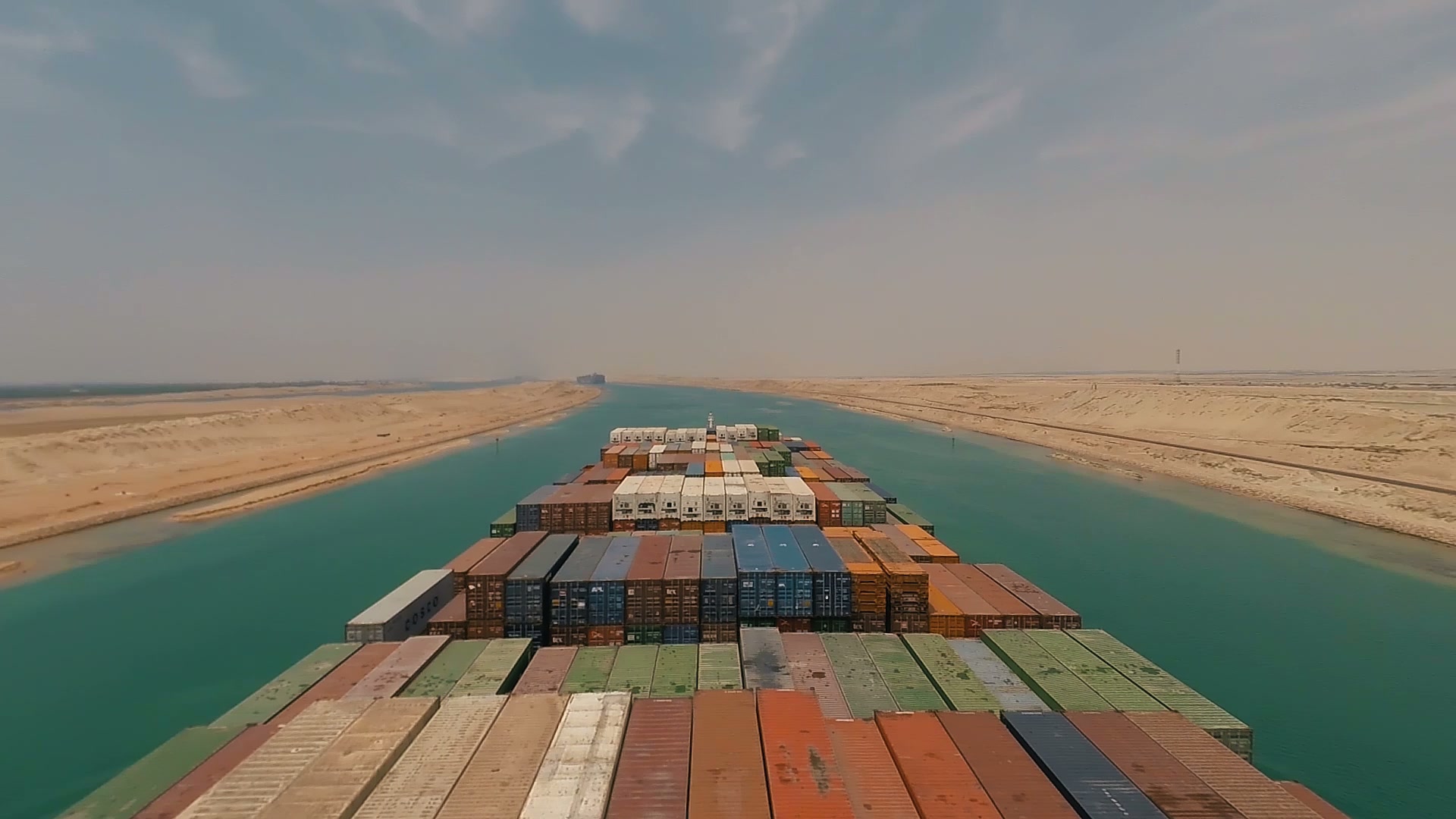
Oversized machinery, modular energy components, refinery skids, wind turbine sections, superyacht transport. The stuff that takes weeks to plan and seconds to lose. Coverage includes rigging failures, transload damage, project delay penalties, and the missed commissioning windows that trigger contractual liquidated damages.

Recent claim: 200-tonne offshore wind turbine nacelle dropped during Rotterdam transload. Cargo write-off + project delay penalties + subcontractor liability navigated. Full settlement in 11 weeks.
02

Stock Throughput (STP)

Continuous cover that follows your inventory from the factory floor through every leg — inland to port, port to vessel, vessel to destination, destination to end warehouse. Closes the gaps between property, marine, and inland transit policies where most losses actually occur.

Recent claim: reefer container mechanical failure between vessel and warehouse. $780k of pharmaceuticals spoiled. Continuous coverage held — no property/marine coverage gap to exploit.
03

Freight Forwarder & NVOCC Liability

Your exposure under house bills of lading, customs penalties, misdelivery, and errors that break client delivery schedules. Structured against your specific contract indemnity clauses and trade finance requirements — drafted against your specific bills of lading, not a market boilerplate.

Recent claim: misdelivery of $1.4M electronics shipment traced to house bill of lading error. Full indemnity paid, subrogation pursued against the actual liable party.
04

War & Strikes Cargo

Rerouting through the Cape of Good Hope, transiting the Bab-el-Mandeb, delivering into contested corridors. War cargo endorsements structured to match today's real geopolitical map — not the 2019 one.

Recent claim: cargo caught in Bab-el-Mandeb reroute delays. Contractual liquidated damages claim from downstream buyer. War cargo endorsement covered the full exposure — including the resulting business interruption.
THE CHAIN

Six hand-offs. Six failure points.

  1. PRE-SHIPMENT DAMAGE

    Factory

    Damage during packing, loading, or pre-shipment storage. Standard policies often attach only once the cargo leaves the gate.

  2. IN-TRANSIT LOSS

    Inland Trucking

    Theft, roll-overs, or handling damage on the road leg. We keep cover continuous instead of relying on the trucker's cargo liability.

  3. PORT AUTHORITY FINES

    Port of Loading

    Detention, demurrage, port fines and handling damage during transload. Built into the wording, not disputed after the fact.

  4. HULL & MACHINERY CASCADE

    Ocean Transit

    General average, hull & machinery incidents, weather deviation, war-risk reroutes. Ocean leg is where cascade losses start.

  5. CUSTOMS PENALTIES

    Port of Discharge

    Customs holds, classification disputes, brokerage errors and penalty exposure. Cover extended to customs and clearance events.

  6. MISDELIVERY CLAIMS

    Final Delivery

    Wrong consignee, damaged last-mile handling, warehouse-to-warehouse gaps. Cover runs to end-warehouse, not just the port gate.

DELIVERED

Standard cargo policies cover 3 of these 6. Ours cover all 6.

THE STRUCTURE

Cover that works in practice, not just on paper.

Standard cargo policies read fine until you actually need them. They exclude the transload. They quibble the port authority fine. They dispute the demurrage. Ours don't. Every clause is stress-tested against your actual trade flows, your actual routes, and your actual contract obligations before a single shipment moves.

Standard cargo policy
  • Ocean-leg cover only
  • Transload damage excluded
  • Demurrage disputed
  • War cover static / rate-on-application
  • Third-party claims handling
SRMG cargo programme
  • Continuous cover — factory floor to end warehouse
  • Transload, handling, and rigging damage included
  • Demurrage and delay penalties structured in
  • War cover mapped to today's real corridors
  • In-house claims team + subrogation counsel
WHY SRMG

Why traders and shippers choose SRMG.

  • Integrated policies spanning multiple jurisdictions — one contract, one broker, one claim number.
  • Trade-flow-specific endorsements: cold chain, high-value tech, hazmat, project modules.
  • Placement through Lloyd's of London, global insurers, and specialist MGAs — deep capacity at competitive terms.
  • Proactive loss prevention — route analysis, supply chain stress-testing, incident debriefs.
  • 24/7 in-house claims advocacy coordinating with surveyors, maritime lawyers, and subrogation counsel.
  • Independent since 1990. When your renewal comes up, we go back to market. Every time.
CASE FILE · GENERAL AVERAGE
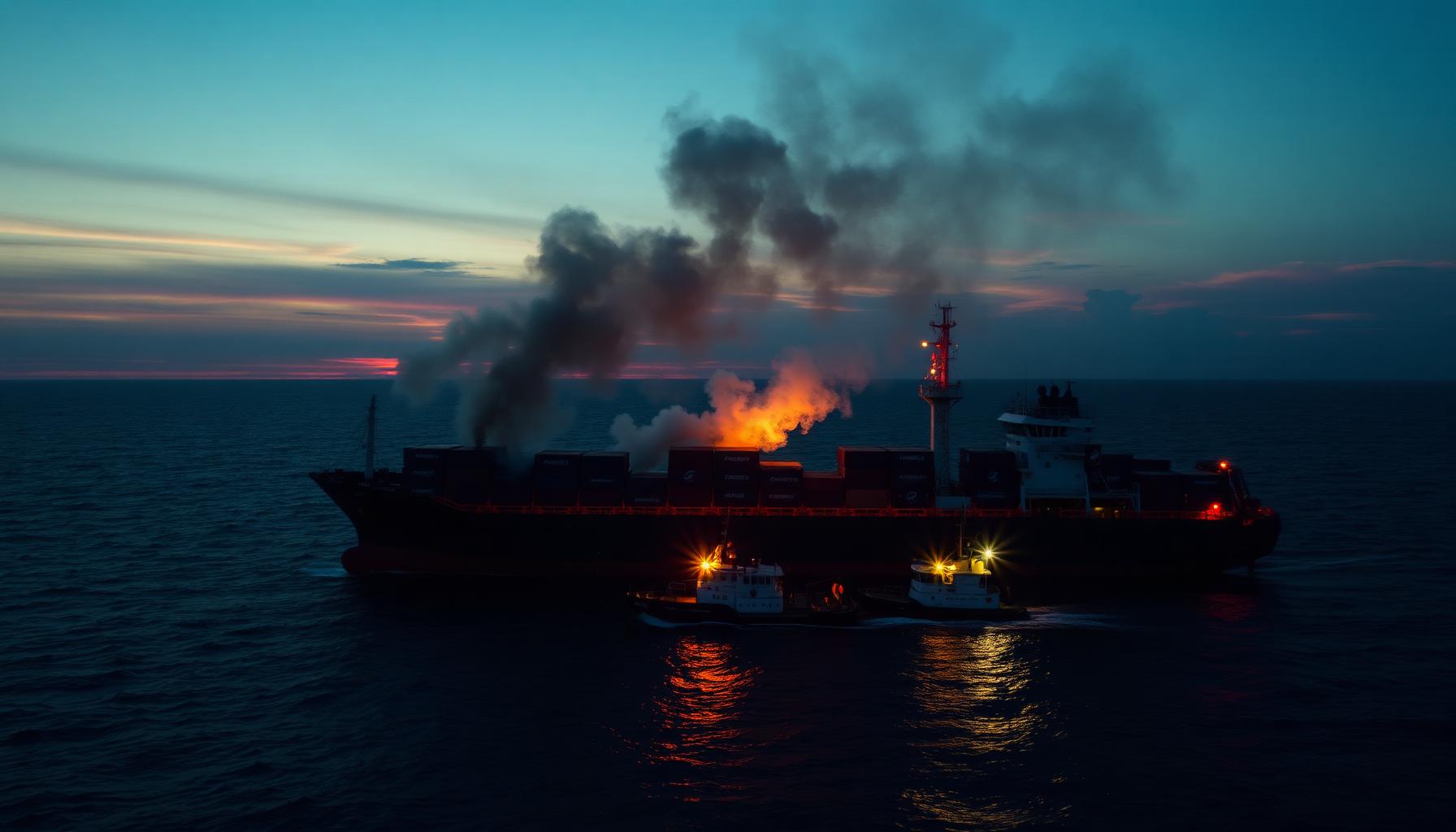
Container vessel at anchor with salvage tug alongside after an onboard fire brought under control.

The general average declaration nobody had to raise capital for.

A container of critical spares mid-voyage from Rotterdam to Singapore was on a vessel that declared general average after an engine room fire off the Horn of Africa. Two of the other consignees on the same manifest spent five days assembling security bonds under duress to get their cargo released. Our client didn't — the programme we'd placed included an automatic general average bond provision. Their containers cleared customs with the rest of the vessel's cargo on schedule. The client's supply chain manager didn't hear about the fire until we sent the routine post-incident summary.

A cargo policy that pays a claim is one thing. A cargo policy that means your supply chain never notices the fire is another.

They understand the difference between a general average declaration and a particular average claim. They know which subrogation counsel to instruct in which port. When you're moving what we move, you don't want a broker who has to look that up.
CHIEF FREIGHT OFFICER · INTERNATIONAL LOGISTICS GROUP · 🇬🇷

Your cargo won't wait. Your cover shouldn't either.

Complimentary review of your current cargo cover, gap analysis, restructuring recommendations. No obligation.

Frequently asked

Marine cargo insurance questions

Marine cargo insurance covers physical loss of or damage to goods in transit by sea, air, or land, generally on a warehouse-to-warehouse basis. Programmes are typically written on Institute Cargo Clauses (A, B, or C), with A providing the broadest all-risks cover subject to standard exclusions. War and strikes cover is added by endorsement.

Last reviewed: July 2026